Paper clutter is a common challenge in many households. Bills, mail, receipts, school papers, and magazines can quickly accumulate, making your home feel messy and overwhelming. Fortunately, there are simple and practical ways to reduce household paper clutter without stress. This post will guide you through easy strategies to manage your paper efficiently and keep your space tidy.
Why Reduce Paper Clutter?
Before diving into the tips, it’s helpful to understand why reducing paper clutter matters:
– Saves Space: Less paper means more room for other essentials.
– Reduces Stress: A tidy environment can improve focus and mood.
– Prevents Lost Documents: Organized papers are easier to find when needed.
– Supports Sustainability: Managing paper waste reduces environmental impact.
With these benefits in mind, let’s explore actionable steps you can take.
Step 1: Sort and Declutter Regularly
Start by gathering all loose papers into one place. Next, sort them into categories such as:
– Bills and statements
– Important documents (taxes, medical records)
– Receipts
– Junk mail
– Magazines and brochures
– Kids’ schoolwork
After sorting, be ruthless about what you keep. Shred or recycle papers that are no longer needed. Keep only the essential ones that need action or long-term storage.
Step 2: Go Digital Wherever Possible
One of the most effective ways to reduce paper clutter is to switch to digital alternatives:
– E-bills and bank statements: Many companies offer paperless billing.
– Digital notes: Use apps or your phone’s note feature instead of paper lists.
– Online documents: Save important files on cloud services or external drives.
– Email subscriptions: Opt for email versions of newsletters instead of paper copies.
Digital records are easier to store and access, plus they reduce the need for physical filing.
Step 3: Create a Paper Management System
Having a consistent system helps control the clutter before it piles up again. Consider these tips:
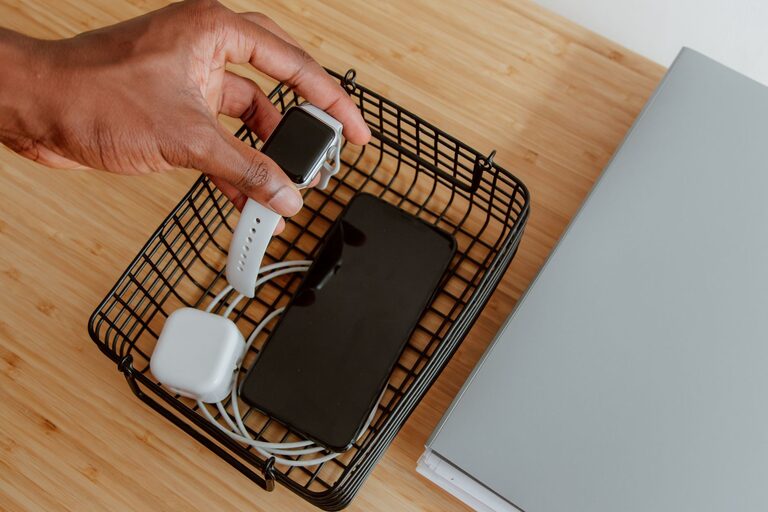
– Designate a paper drop zone: Use a tray or basket near the entrance or desk.
– Use labeled folders: Separate papers into actionable categories like “To File,” “To Pay,” or “To Review.”
– Set a filing schedule: Spend 10-15 minutes each week sorting and filing papers.
This routine keeps your papers organized and manageable over time.
Step 4: Use a Scanner or Mobile App
A scanner or scan app on your phone can reduce physical paper dramatically:
– Scan important documents: Convert paper documents into PDFs.
– Organize scans: Create folders on your computer or cloud with clear labels.
– Shred originals when safe: After scanning and backing up, dispose of paper securely.
Many free or low-cost scanning apps also allow you to crop, enhance, and search scanned documents easily.
Step 5: Limit Incoming Paper
Stopping clutter before it starts is key:
– Opt out of junk mail: Register on mailing preference services to reduce unsolicited mail.
– Unsubscribe from catalogs: Visit websites or call companies to stop mailing catalogs.
– Talk to service providers: Ask for digital communication instead of paper notices.
– Use a mailbox organizer: Sort mail daily and immediately recycle junk mail.
By reducing incoming paper, you prevent unnecessary buildup.
Step 6: Use Creative Storage Solutions
When paper storage is necessary, keep it tidy and out of sight:
– File cabinets or portable file boxes: Ideal for documents you need to keep long term.
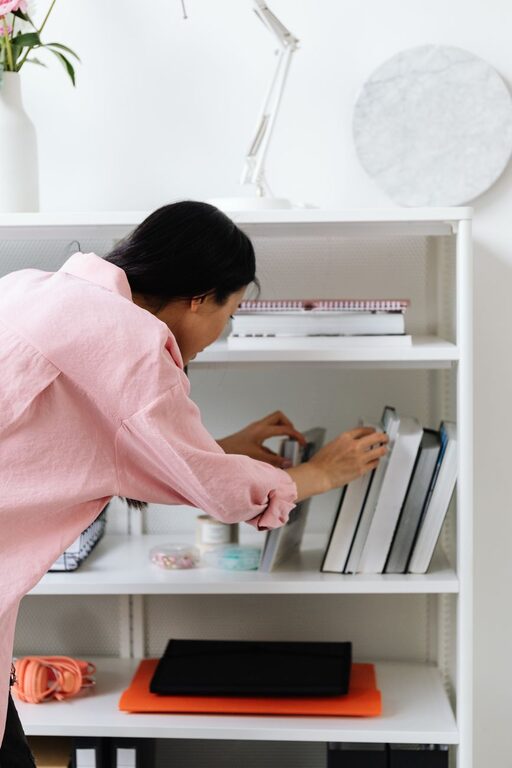
– Magazine holders: Great for magazines, brochures, or school papers.
– Binders with sleeves: Organize papers by category or date, such as receipts or warranties.
– Desk organizers: For current projects or frequently accessed documents.
Choose solutions that fit your space and lifestyle.
Step 7: Involve the Whole Family
Paper clutter often comes from multiple sources, especially in homes with children. Here’s how everyone can help:
– Assign tasks: Have kids sort their school papers weekly.
– Create a mail routine: Establish a family habit of sorting mail together.
– Teach organization skills: Encourage everyone to file papers properly.
– Set limits: Agree on how long papers like kids’ artwork or school projects are kept.
A team approach makes paper management easier and teaches valuable habits.
Step 8: Recycle Responsibly
Reducing paper clutter isn’t just about storage—proper disposal is important too:
– Shred sensitive documents: Protect personal information by shredding before recycling.
– Compost paper if possible: Non-glossy papers can be composted.
– Recycle regularly: Take paper recycling seriously to reduce waste.
Make sure to check local recycling guidelines for proper disposal.
Final Thoughts
Reducing household paper clutter is a rewarding process that creates a more peaceful, efficient home. By sorting regularly, going digital, establishing systems, and involving everyone, you can maintain an organized space with minimal effort. Start small, take it one step at a time, and enjoy the benefits of a clutter-free home!
About the Author