Planning meals from pantry staples is a smart way to simplify cooking, save money, and reduce food waste. Whether you’re facing a busy week or just want to make the most of what you already have, using pantry ingredients can lead to creative and satisfying meals. This guide will walk you through how to organize your pantry, identify versatile staples, and plan meals that are both tasty and convenient.
Why Plan Meals from Pantry Staples?
Using pantry staples to plan meals helps you:
– Save time: No need for last-minute grocery trips.
– Reduce food waste: Use what you have before it expires.
– Cut costs: Avoid buying extra ingredients that might go unused.
– Eat healthier: Control what goes into your meals.
– Be creative: Discover new recipes and combinations.
Step 1: Take Stock of Your Pantry
Before planning meals, get a clear picture of what you have. Here’s how to do it effectively:
Organize and Inventory
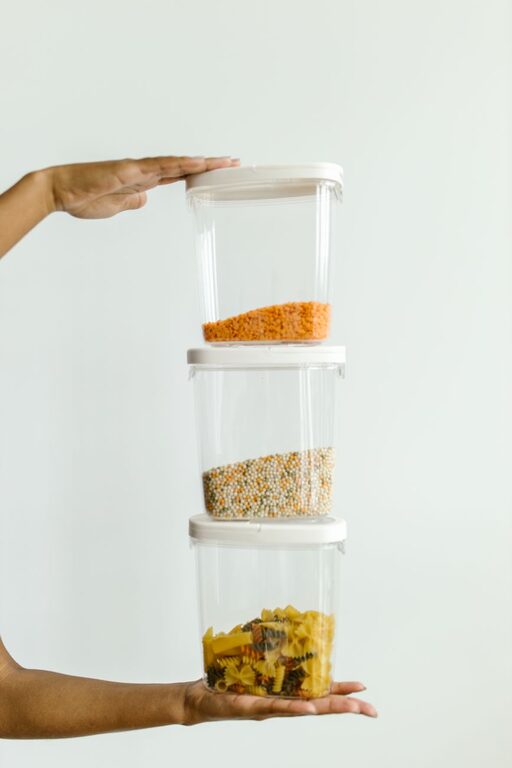
– Pull everything out of your pantry and group similar items together (grains, canned goods, spices, etc.).
– Check expiration dates and toss anything that’s expired.
– Make a list of what you have, including quantities.
Common Pantry Staples to Look For
Many kitchens have these staples that form the base for countless recipes:
– Grains: rice, pasta, quinoa, oats
– Canned goods: beans, tomatoes, tuna, coconut milk
– Baking supplies: flour, baking powder, sugar
– Oils and vinegars: olive oil, vegetable oil, apple cider vinegar
– Spices and herbs: salt, pepper, garlic powder, dried oregano, chili flakes
– Nuts and seeds: almonds, chia seeds, sunflower seeds
– Others: broth cubes, nut butters, soy sauce, canned vegetables
Step 2: Choose a Meal Planning Method
There are different ways to approach meal planning using pantry ingredients.
Idea 1: The “Core Ingredient” Method
Pick one or two pantry staples as a base and build your meals around them.
– Example: Start with rice and canned beans to make a hearty rice bowl.
– Add fresh or frozen veggies if available for extra flavor and nutrition.
Idea 2: Batch Cooking
Prepare large batches of versatile dishes that freeze or store well.
– Example: Make a big pot of tomato-based pasta sauce using canned tomatoes.
– Freeze portions and pair with pasta or grains throughout the week.
Idea 3: Recipe Rotation
Create a list of your favorite recipes that rely on pantry staples.
– Rotate through them each week for variety.
– Adjust ingredients as needed depending on what’s in your pantry.
Step 3: Plan Balanced Meals
To keep your meals satisfying and nutritious, include a balance of:
– Carbohydrates: Grains, potatoes, or legumes.
– Protein: Beans, lentils, canned fish, or nuts.
– Vegetables: Fresh, frozen, or canned.
– Healthy fats: Olive oil, avocado, nuts, or seeds.
Sample Meal Ideas
– Chickpea Curry: Canned chickpeas, coconut milk, canned tomatoes, curry powder, served with rice.
– Pasta Primavera: Pasta, canned tomatoes or tomato sauce, frozen vegetables, garlic, and olive oil.
– Tuna Salad Wraps: Canned tuna, mayonnaise, mustard, pickles, wrapped in tortillas or lettuce.
– Bean and Veggie Chili: Mixed canned beans, canned tomatoes, chili powder, onions, and bell peppers.
– Oatmeal with Nuts and Fruit: Oats cooked with water or milk, topped with nuts, seeds, and dried fruit.
Step 4: Use Meal Planning Tools
Consider tools to streamline the process:
– Digital apps: Apps like Paprika or Mealime allow you to save recipes and create shopping lists.
– Printable planners: Use weekly meal planners or calendars to schedule your meals.
– Sticky notes or whiteboards: Keep a list of pantry items and meal ideas visible in your kitchen.
Step 5: Shop Smartly to Refill Your Pantry
Once you identify which staples you use frequently, keep your pantry stocked with them.
– Buy in bulk for savings on items like rice, beans, or pasta.
– Choose versatile ingredients that can work in multiple recipes.
– Incorporate some fresh or frozen produce to complement pantry meals.
Tips for Success
– Keep a small notebook or note on your phone to jot down meals you make from pantry items.
– Experiment with spices to add variety and flavor.
– Don’t hesitate to swap ingredients — be flexible with what you have on hand.
– Label pantry items with purchase date to keep track of freshness.
– Use leftovers creatively, such as turning yesterday’s beans into today’s soup.
Conclusion
Meal planning from pantry staples is an easy and practical way to make home cooking less stressful and more enjoyable. By knowing what you have, choosing simple meals, and planning ahead, you can create delicious dishes without constant grocery runs. With a little practice and creativity, your pantry can become a reliable source of inspiration for healthy, budget-friendly meals every day.
About the Author